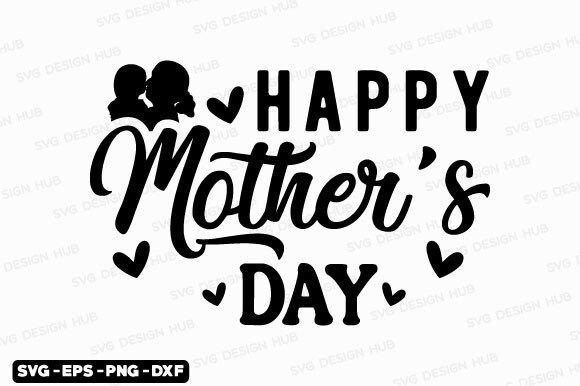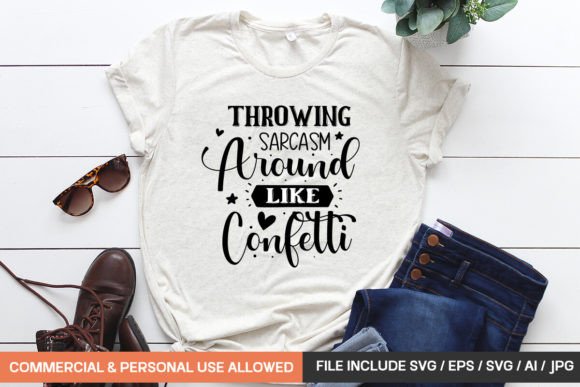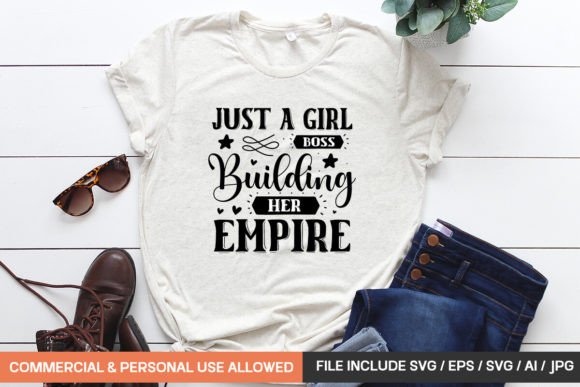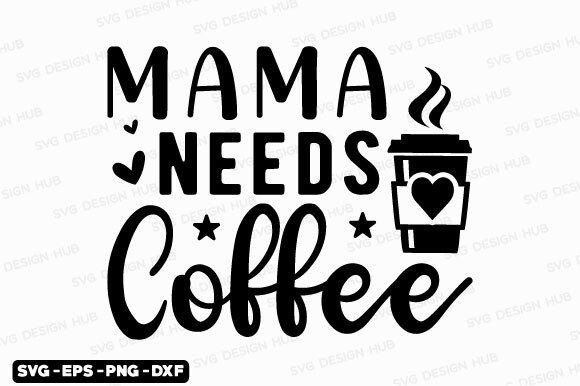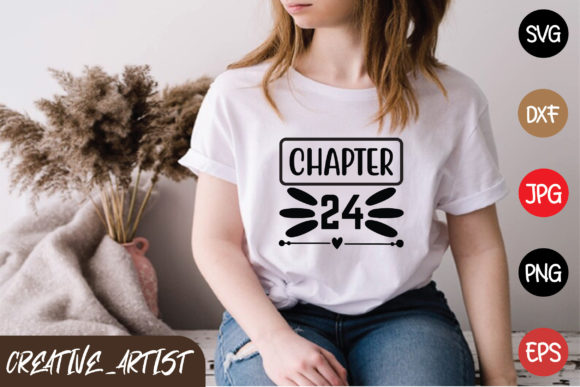
Chapter 24: Graphics for T-Shirt Designs
As a brand designer who has worked with numerous small businesses, I’ve come to appreciate the value of a well-crafted graphic design asset. Chapter 24 is one such resource that offers versatility and quality for local business branding, product packaging, and promotional materials. Its clean lines and adaptable format make it ideal for a variety of applications, from t-shirt designs to editorial layouts.
The First Impression: A Design That Suggests Versatility
From the moment I opened the zip file containing Chapter 24, I was struck by its professional quality. The files—SVG, PNG, EPS, and DXF—suggest a design that’s ready for both digital and print use. The 300 DPI resolution in RGB color mode ensures clarity across platforms, while the vector format allows for scalable use without loss of quality. This makes it an excellent choice for small business branding where flexibility is key.
The mood of Chapter 24 feels modern yet approachable. It suggests a brand personality that’s confident but not overly formal, making it suitable for a wide range of local businesses—from a cozy coffee shop to a boutique clothing line. Its clean aesthetic could work well for handmade or artisanal brands looking to project a sense of quality and care.
Real-World Applications for Local Business Branding
Chapter 24 isn’t just a pretty graphic—it’s a functional tool that can be used in multiple areas of a business’s visual identity. For instance, it can serve as a logo design element, a background for product labels, or a decorative accent on packaging. Its high-resolution PNG and vector formats make it easy to integrate into social media graphics, website banners, and promotional ads.
For a bakery or a skincare brand, Chapter 24 could be used as a hero graphic on a menu or a product page. As a design asset, it can also support printable inserts, thank-you cards, and seasonal campaign visuals. Its adaptability means it can be reworked to fit different brand colors and typography styles, ensuring consistency across all touchpoints.
Supporting Business Presentation and Customer Trust
One of the most valuable aspects of Chapter 24 is how it can enhance a business’s presentation. A well-designed graphic can create a stronger first impression, making a brand more memorable and trustworthy. When used on product packaging, it adds a layer of professionalism that can set a small business apart from competitors.
Its ability to improve visual hierarchy is another benefit. By using Chapter 24 as a focal point on a flyer or poster, a business can guide the viewer’s eye toward key messages or products. This clarity helps in communicating the brand’s message more effectively, whether it’s through a printed brochure or a digital ad.
Where Chapter 24 Shines in Design Projects
Chapter 24 excels in scenarios where a design needs to be both decorative and functional. It works well as a product label, a packaging accent, or a background for promotional banners. Its scalability and high resolution mean it can be used in large-format prints without losing quality, making it a reliable choice for product mockups and marketing visuals.
It’s also great for social media campaigns, where a strong visual can increase engagement and brand recognition. Whether it’s used as a header image or a post graphic, Chapter 24 adds a polished look that aligns with modern design trends. For a handmade soap business or a children’s product brand, it can bring a whimsical or elegant touch that resonates with the target audience.
When to Use Chapter 24 with Caution
While Chapter 24 is versatile, there are situations where it may not be the best fit. In formal corporate branding, for example, its style might feel too casual or decorative. Similarly, it may not work well on very small labels where detail is hard to see, or in crowded product packaging where it could compete with important text.
It’s also worth noting that in luxury minimalist brands, where simplicity is key, Chapter 24’s design might add unnecessary complexity. In such cases, a cleaner, more restrained graphic would be more appropriate. Additionally, when placed on low-contrast backgrounds or alongside legal information, it may lose its impact.
Practical Designer Notes for Small Business Owners
Before finalizing any design, I always recommend testing a graphic like Chapter 24 on real packaging mockups. This helps ensure it looks good in context and doesn’t clash with other elements. Checking how it appears in black and white is also important, especially if it will be used in print or on dark backgrounds.
Testing it with different font styles—serif, sans serif, script, or handwritten—can reveal how well it integrates with a brand’s typography. It’s also wise to review the PNG transparency and inspect the SVG or vector files to ensure they’re editable and clean. Confirming the commercial license is essential before using the asset for client work or physical product sales.
Chapter 24 is a solid addition to any small business’s design toolkit. Whether you're working on t-shirt designs, product packaging, or social media graphics, it offers a professional and adaptable solution that can elevate your brand’s visual presence.