Leopard Rabbit Monogram Frame: Graphics for T‑Shirt Designs
When you spend years building digital product listings, you develop a sixth sense for which graphic design asset will actually move units and which will sit in a folder gathering digital dust. I have been selling on Etsy, Creative Fabrica, and various print-on-demand platforms long enough to trust that instinct. When I first opened Leopard Rabbit Monogram Frame, I felt that familiar spark of potential — the kind that makes you start mapping out product variations before you even finish unzipping the folder.
This is not a review full of hype. This is a practical walkthrough from someone who has tested hundreds of graphic design assets for real commercial use. I will show you how Leopard Rabbit Monogram Frame fits into an actual shop workflow, what it can do for your product lineup, and where you need to be careful before hitting publish.
First Impressions and Visual Personality
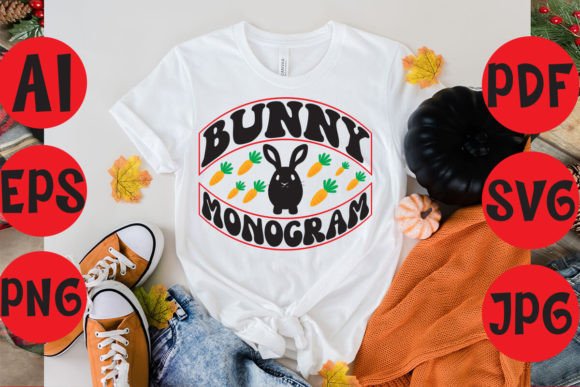
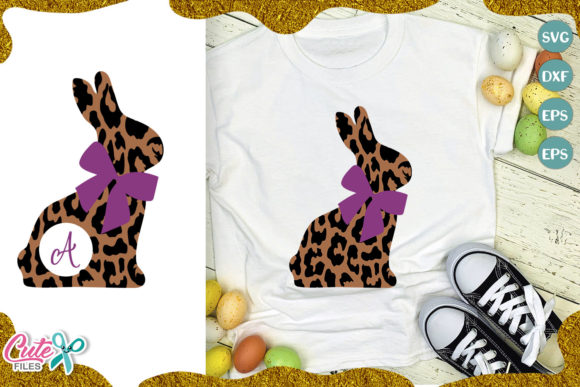
The Leopard Rabbit Monogram Frame has a distinct personality that sits somewhere between playful elegance and bold statement. The leopard pattern brings a trendy, slightly wild edge while the rabbit motif adds a soft, approachable charm. This combination makes it work for audiences who want something decorative without being overly cute or overly aggressive. It feels modern but not cold, detailed but not chaotic.
From a selling perspective, this kind of visual balance matters. Buyers looking for t-shirt designs often want graphics that stand out on a shelf full of generic typography and basic shapes. The Leopard Rabbit Monogram Frame gives you that differentiation. It feels like something you could sell to boutique shoppers, small business branding clients, or crafters who want their projects to look curated.
What You Actually Get Inside the Folder
One ZIP folder contains two SVG files, two DXF files, two PNG files, and two EPS files. That gives you enough flexibility to work across multiple platforms without reformatting everything from scratch. The SVG files are your go-to for Cricut projects and cutting machines. The DXF files serve Silhouette users and other compatible software. The PNG files with transparent backgrounds let you drop the design directly into mockups or social media graphics. The EPS files give vector editing freedom for advanced customization in Illustrator or Affinity.
Having two versions of each format is a practical touch. You get options — perhaps a full frame version and a simplified version, or two different scale variations. This matters when you are batch-producing printable designs and need to show customers variety without creating everything from scratch.
Real Shop Scenario: Building a Product Collection
Imagine you are preparing a new seasonal collection for your Etsy product listings. You have a print-on-demand store that sells t-shirt designs, mug designs, and tote bag prints. You want a cohesive look across multiple items without repeating the exact same graphic. This is where Leopard Rabbit Monogram Frame becomes useful.
Start by testing the design on a white t-shirt mockup. The frame structure works well as a central graphic, especially when paired with a bold initial or short word inside the frame. Preview how it looks on a dark tee as well — contrast is key. The leopard pattern can get lost on busy backgrounds, so test both light and dark product surfaces before committing to a listing.
Next, drop the PNG version into a mug wrap template. Scale it so the frame sits comfortably in the center without touching the handle area. Check the transparency edges in the PNG file to ensure no white halos appear around the design. This is a common issue with low-quality clip art, and a clean cut here saves you from refunds and negative reviews.
For sublimation designs, test the EPS or SVG in your design software and convert colors if needed. Sublimation can shift hues during pressing, so run a sample if you are selling physical products rather than digital downloads. If you are selling digital product files, include a color reference sheet so your buyers know what to expect.
Where Leopard Rabbit Monogram Frame Shines
This graphic design asset performs best in applications where the frame can be the hero element. Consider these product categories:
- T-shirt designs — center chest or back print with a monogram letter or short name inside the frame
- Mug designs — one-sided wrap with the frame as the focal point
- Tote bag prints — large central placement on canvas or cotton
- Tumbler wraps — fits well on straight-sided tumblers where the frame can wrap partially
- Printable wall art — framed as a decorative initial for a nursery or bedroom
- Greeting cards — front cover design with a personalized initial inside
- Planner stickers — scaled down for decorative accents in planners and journals
- Invitation templates — elegant enough for birthday or bridal shower invites with the right color palette
- Canva templates — import the PNG or SVG and build a customizable template for buyers to personalize
- Scrapbooking kits — part of a larger design bundle with coordinating papers and elements
- Social media graphics — use as a profile frame or branded graphic for posts
- Packaging design — small business owners can use it on tags, labels, or boxes
The frame also works well in product mockups to create thumbnail appeal. A well-styled mockup with this design can increase click-through rates because it looks finished and professional. Buyers on creative marketplaces respond to visuals that feel ready to use.
Where You Need to Be Careful
No design asset is perfect for every product, and Leopard Rabbit Monogram Frame has limitations you should know about before publishing listings.
Tiny sticker details: The leopard pattern has fine spots and lines. If you scale this down for a small sticker or a nail decal, those details may blur or get lost. Keep the minimum size around two inches for physical products. For digital stickers, test at different scales to see how the pattern holds.
Overly complex layouts: Do not layer multiple patterns or heavy text on top of this frame. The design already has visual texture. Let it breathe. Pair it with simple sans serif or clean script fonts rather than ornate display fonts that compete for attention.
Low-resolution print products: The PNG files are likely high resolution, but always check the pixel dimensions before uploading to a print provider. If the resolution is too low for a large poster or blanket, use the SVG or EPS to scale up without losing quality.
Crowded thumbnails: On marketplace search pages, thumbnails are small. If your product photo is busy with multiple elements, the frame may not read well. Use a clean background and a single focal point in your main listing image.
Dark backgrounds with low contrast: The leopard spots can blend into dark fabrics or dark paper. Always create a light or high-contrast version of the design for dark surfaces. You may need to invert colors or add a white backing layer.
Text-heavy templates: If you are designing a template with long paragraphs of text, this frame may feel restrictive. It works best with short text — a single letter, a name, or a short phrase.
Practical Seller Notes Before You Publish
Here is a checklist I run through with any new commercial design before listing products:
- Test on real mockups: Do not rely on a flat preview. Place the design on a t-shirt, mug, and tote mockup to see how it drapes and wraps.
- Preview as a marketplace thumbnail: Shrink your mockup to thumbnail size. Can you still read the frame and any text inside? If not, simplify.
- Check white and dark backgrounds: The design should work on both. If it only looks good on white, you are limiting your product range.
- Test print colors: What you see on screen may differ from print. Run a test print if you are selling physical items.
- Verify PNG transparency: Open the PNG file in your software and confirm there are no rough edges or leftover background pixels.
- Inspect SVG cut quality: For Cricut and Silhouette users, the SVG should have clean paths without extra nodes or broken lines. Test a cut on cardstock or vinyl before selling the file.
- Confirm file resolution: Ensure the PNG files are at least 300 DPI for print products. List the resolution clearly in your product description.
- Organize files clearly: Name each file with the format and version so buyers do not get confused. A folder labeled “SVG_Version1” and “SVG_Version2” is helpful.
- Pair with font styles: This frame pairs well with a clean sans serif font for a modern look, a cursive script font for elegance, a handwritten font for a casual feel, or a bold display font for impact. Avoid using more than one font style inside the frame.
- Confirm commercial licensing: Before selling finished products with this asset, check the commercial license terms from the seller. Most graphic design assets allow commercial use for physical products, but digital templates may have restrictions.
Supporting Your Brand Identity
For small business branding and brand identity work, the Leopard Rabbit Monogram Frame can be a signature element if used consistently. A boutique shop selling kids clothing, nursery decor, or personalized gifts could build a whole aesthetic around this frame style. It adds a handmade, curated feel that buyers associate with quality handmade business offerings.
When creating social media graphics to promote your products, use the frame as a recurring visual element. Feature it in your Instagram posts, Pinterest pins, and Facebook shop images. Visual consistency builds trust and makes your shop look more established.
Final Thoughts for Digital Sellers
Leopard Rabbit Monogram Frame is a solid addition to any digital product lineup if you take the time to test it properly. It has enough personality to stand out in a crowded creative marketplace, but it requires thoughtful placement to avoid visual clutter. Use it as a focal point, pair it with simple typography, and test it across multiple product formats before publishing.
The ZIP folder gives you SVG, DXF, PNG, and EPS files, which covers most workflows for Cricut projects, sublimation designs, printable designs, and Canva templates. If you are building a design bundle or a seasonal collection, this asset can serve as a cohesive element across multiple products.
Every experienced seller knows that the success of a product depends less on the asset itself and more on how you present it, test it, and integrate it into your shop's story. Leopard Rabbit Monogram Frame gives you a strong starting point. The rest is up to your mockups, your descriptions, and your understanding of what your customers actually want to buy.