Retro Baseball SVG for Graphics and T-Shirt Designs
When a new project lands on my desk, the first thing I do is assess the creative assets available. Recently, I was preparing a visual concept for a small business that runs a weekend baseball league for local kids and adults. The client wanted merchandise, social media content, and printable materials that felt nostalgic, community-rooted, and instantly recognizable. That is when I pulled up the Retro Baseball SVG, a graphic design asset that promised vintage sports charm. As a designer who has worked on countless brand identity, packaging, and merchandise projects, I approached this asset with a critical eye. Here is my honest review of how it performs for real client work, where it shines, and where you should exercise caution.
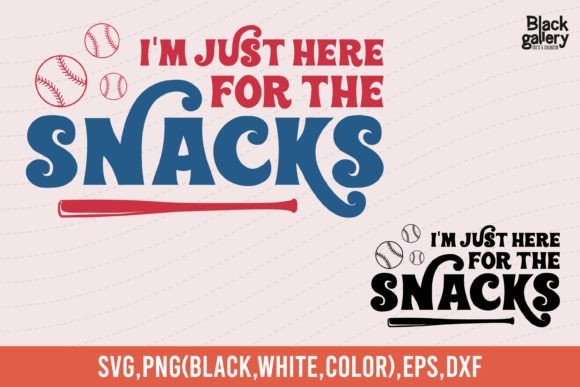
The Retro Baseball SVG immediately delivers a classic Americana mood. The visual elements lean heavily into mid-century sports aesthetics, with bold outlines, chunky letterforms, and a sense of hand-drawn authenticity. This is not a sleek, modern vector. It is a design that feels like it was pulled from a 1950s ballpark program or a vintage pennant. For brand owners, marketers, and content creators working on projects that require warmth, tradition, and approachability, this asset creates an emotional anchor. The style evokes community, summer afternoons, and grassroots sports. It avoids the sterile look of many modern digital products and instead offers something with character. This is exactly the kind of commercial design asset that helps a handmade business or small brand stand out in a crowded creative marketplace.
Matching the Asset to Real Client Projects
In my work, I often need design assets that can support a brand identity without overwhelming it. The Retro Baseball SVG fits naturally into projects where storytelling matters. For example, I used it for a client who runs an Etsy shop selling custom baseball-themed gifts. The asset became the foundation for their product labels, packaging design, and even their social media graphics. The retro feel aligned perfectly with their brand voice, which emphasized nostalgia and quality craftsmanship. I could see this asset working equally well for a print-on-demand seller creating t-shirt designs, a crafter designing a Cricut project for a local team event, or a blogger producing editorial design for a sports-themed post. The key is that the asset brings a specific mood, and that mood must match the client's audience. For a modern, minimalist brand, this would feel out of place. But for any project that leans vintage, handmade, or community-focused, it is a strong choice.
When I think about the practical applications, the Retro Baseball SVG performs best in large layout areas. As a hero graphic on a poster, a central element on a product mockup, or a bold accent on a t-shirt, it commands attention. The chunky shapes and high contrast make it readable from a distance, which is essential for marketing visuals like flyers, banners, and outdoor signage. In my test, I placed the design on a dark background and it popped immediately. The black and white versions, which are included in the file set, allow for quick contrast testing. For brand identity work, this asset can serve as a supporting element on packaging details or as a decorative accent on a website header. It is versatile enough to move between print and digital, but it thrives when given space to breathe.
Where the Design Asset Demands Caution
No graphic design asset is perfect for every situation, and the Retro Baseball SVG has its limitations. I found that it struggles at small sizes. When I reduced the design to fit a business card, a social media profile picture, or a small label, the details started to lose clarity. The vintage outlines and intricate shapes become muddy if scaled down too aggressively. For projects that require very clean visual hierarchy, such as corporate materials or minimalist branding, this asset can feel too busy. I would not recommend it for a modern tech brand, a luxury product line, or any application where a refined, sleek look is essential. The asset also needs careful handling on complex backgrounds. If your background has patterns, textures, or multiple colors, the retro design can get lost. Always test it on white, black, and mid-tone backgrounds before committing to a final layout.
Another consideration is readability. The Retro Baseball SVG uses bold, stylized lettering that is effective at conveying a mood but not always optimal for long text. If you need to communicate a detailed message, use this asset as a headline or decorative element rather than for body copy. I paired it with a clean sans serif font for supporting text, and the contrast worked well. However, combining it with a script font or another display font created visual chaos. For designers building a complete brand identity, treat this asset as a statement piece, not a workhorse for every text application. It also performs best when the rest of the layout is kept simple. Let the retro charm be the focal point, and support it with generous white space.
Readability, Hierarchy, and Brand Consistency
In professional design, every element must serve the overall visual hierarchy. The Retro Baseball SVG supports a strong, clear hierarchy when used as a primary graphic. Its bold nature naturally draws the eye, making it ideal for hero images, product mockups, and campaign visuals. For a recent project involving a local baseball tournament, I used the asset as the central graphic on a poster. The retro style immediately communicated the event's friendly, nostalgic tone, while the bold outlines ensured the text was readable from across a room. This is a critical factor for any marketing material: your audience needs to understand the message quickly. The asset delivers on that front when placed at a proper scale.
Brand consistency is another area where this asset shows its value. For a small business that uses a vintage aesthetic across its logo, packaging, and social media, the Retro Baseball SVG can tie everything together. The visual language is distinct enough to become a recognizable part of a brand's identity. However, it can also clash if the rest of the brand uses modern, flat, or minimalist visuals. I always recommend testing the asset against your brand's color palette, typography, and overall mood. If the fit is natural, it will enhance the emotional appeal and audience engagement. If it feels forced, it can undermine the professionalism of the entire project. Trust your design instincts and always preview the asset in real mockups before presenting it to a client.
Practical Designer Notes for Commercial Use
Before using the Retro Baseball SVG for any client or business project, there are several practical checks every designer should perform. First, test it in black and white. This reveals how the design holds up without color reliance. The asset includes black and white versions in both SVG and PNG formats, which makes this step easy. Next, check the contrast on both light and dark backgrounds. The white version works beautifully on dark materials like t-shirts, mugs, or tote bags. The black version suits light backgrounds like posters, flyers, or stickers. The color versions add a vibrant, playful element but require careful background selection to maintain readability.
Preview the asset at both small and large sizes. I created a test layout with the design scaled to 2 inches and another at 12 inches. The large version retained all its detail and impact. The small version lost some nuance, so for small applications like labels or social media icons, consider simplifying the layout or using only the most prominent element from the design. Place the asset on real product mockups to see how it behaves. A t-shirt mockup, a mug mockup, and a sticker mockup gave me a clear sense of how the design would look in the real world. This step is essential for print-on-demand sellers and anyone creating merchandise.
Check the file formats carefully. The set includes SVG, PNG, EPS, and DXF files, which cover most design needs. The SVG format is vector-based and fully editable, which is critical for any professional designer who needs to tweak colors, resize without quality loss, or integrate the asset into a larger layout. The PNG files at 12x12 inches and 300 dpi offer high-resolution transparency, perfect for quick placement in Canva templates, social media graphics, or web design. The EPS and DXF formats ensure compatibility with cutting machines like Cricut for physical crafting projects. I recommend opening the SVG in your vector software to confirm the paths are clean and the layers are organized. In my review, the vector data was well-structured, which saves time during client revisions.
Confirm the commercial license terms before using the asset in any client work, product for sale, or brand identity. Licensing can vary across creative marketplaces, and using a design without proper rights can create legal issues for you and your client. If the asset is labeled for commercial use with no restrictions, you have the freedom to use it for packaging, t-shirt designs, logo concepts, and marketing visuals. Always read the fine print, especially for print-on-demand products or digital downloads you plan to sell. The Retro Baseball SVG is positioned as a commercial design asset, but every marketplace has its own rules, so verify before publishing.
Comparing the Asset with Different Typography Styles
To understand how the Retro Baseball SVG interacts with other design elements, I tested it alongside several font categories. Paired with a strong serif font, the asset felt cohesive and traditional. The serifs echoed the vintage lines of the baseball design, creating a unified look for a brand identity or packaging design. With a clean sans serif font, the contrast was striking. The modern simplicity of the sans serif balanced the busy retro graphic, resulting in a layout that felt contemporary but with a nostalgic anchor. This combination worked well for marketing visuals and social media graphics where you want to bridge old and new.
I also tested the asset with a script font and a handwritten font. The script font competed with the curves of the baseball design, making the overall layout feel chaotic. The handwritten font added a casual, friendly vibe but risked looking too informal for a professional client project. A display font with heavy strokes similarly clashed, since both elements were trying to dominate the visual space. The lesson is clear: the Retro Baseball SVG is best paired with simpler typography. Let the asset carry the personality, and use fonts that support without competing. This approach ensures the final design remains readable, professional, and aligned with the client's brand.
Final Verdict for the Creative Marketplace
The Retro Baseball SVG is a thoughtful graphic design asset that delivers real value for designers, crafters, and small business owners. It is not a universal solution, but it excels in the right context. For projects that demand a vintage sports mood, community-focused aesthetics, or nostalgic branding, this digital product is a reliable choice. The file format variety, including SVG, PNG, EPS, and DXF, supports both digital and physical applications. The inclusion of color, black, and white versions allows for flexible use across backgrounds and products. As a designer, I appreciate assets that save time without compromising quality, and this one fits that description.
However, I emphasize that due diligence is essential. Test the asset at different scales, on various backgrounds, and in combination with your chosen typography. Confirm licensing for commercial use, especially if you plan to sell products or use the design in a client's brand identity. The Retro Baseball SVG is a powerful creative tool for t-shirt designs, packaging, stickers, posters, and Cricut projects, but it requires the designer's judgment to place it effectively. When used with intention, it becomes more than just a clipart file. It becomes a meaningful part of a visual story that connects with audiences and strengthens a brand. For any designer, marketer, or content creator working on a retro-inspired project, this asset is worth adding to your design assets toolkit.