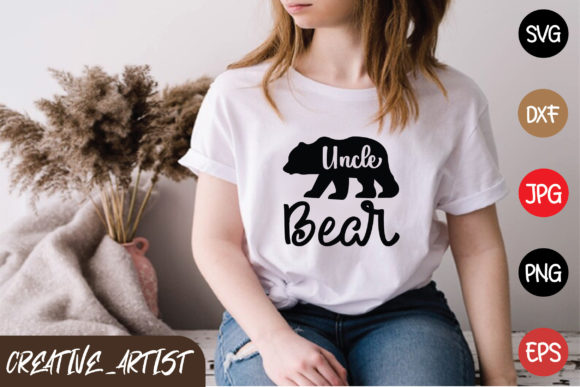
Uncle Bear: Graphics for T-Shirt Designs
As a graphic designer with years of experience in branding, marketing visuals, and digital design assets, I always look for high-quality creative design elements that can elevate a project. Uncle Bear caught my attention not just for its aesthetic appeal but for its versatility across various applications. Whether you're working on a handmade business, a small business branding project, or a seasonal campaign, this design asset has potential.
First Impressions: A Warm and Playful Visual Mood
Uncle Bear exudes a warm, approachable vibe. The visual elements feel handcrafted yet polished, making it ideal for brands that want to communicate a friendly, nostalgic, or whimsical personality. The style leans toward modern design with a touch of retro charm, which makes it adaptable to both casual and semi-formal projects. It’s the kind of design that could fit perfectly into a boutique product line, an Etsy shop, or a local event promotion.
Real-World Applications: From T-Shirts to Social Media Graphics
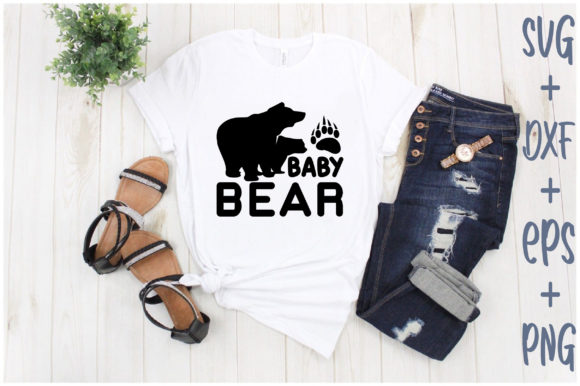
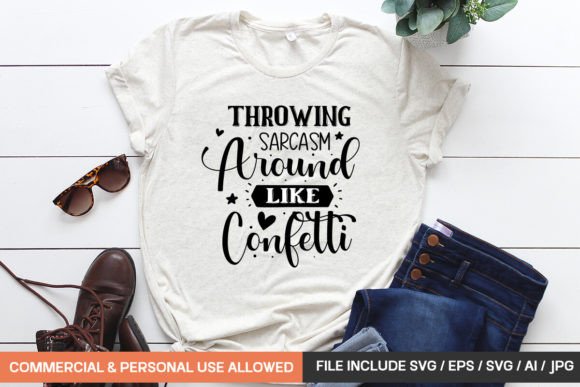
One of the strengths of Uncle Bear is its adaptability. In a t-shirt design, it could serve as a bold centerpiece or a subtle accent depending on the layout. For packaging design, it adds a unique touch that stands out on shelves. When used in social media graphics, it brings personality to posts, pins, and ads without overwhelming the message.
It also works well in editorial design, where it can act as a decorative element or a thematic anchor. For Canva templates, it provides a ready-to-use illustration that saves time while maintaining visual consistency. In Cricut projects, its vector format ensures crisp cuts at any size. And for print-on-demand sellers, it offers a reliable, high-resolution asset that looks great on mugs, tote bags, and stickers.
Where Uncle Bear Shines: Large Layouts and Themed Campaigns
Uncle Bear excels in large layout areas, such as hero graphics, product mockups, or themed collections. Its detailed yet clean lines make it suitable for commercial design and sublimation design, where clarity and resolution are key. It also works well in supporting brand elements, helping to create a cohesive visual language across multiple platforms.
For a seasonal campaign or a holiday-themed project, Uncle Bear can add a sense of fun and familiarity. It’s perfect for printable wall art, where its 300 DPI resolution ensures sharp prints, and for blog visuals that need to capture attention without being distracting.
Where to Use It Carefully: Minimalist Branding and Corporate Projects
While Uncle Bear is versatile, it may not be the best choice for minimalist branding or professional corporate materials. Its playful nature might clash with a sleek, modern aesthetic that requires strict visual hierarchy. In crowded layouts or complex backgrounds, it can become visually overwhelming if not placed thoughtfully.
For low-contrast designs or projects that demand very clean visual elements, Uncle Bear may not offer the precision needed. It’s important to test it in different contexts before finalizing a design. If your client is targeting a more formal or high-end audience, consider pairing it with simpler elements to balance the overall look.
Design Considerations: Testing and File Formats
Before using Uncle Bear for a client project, there are several practical steps every designer should take. Test it in black and white to see how it holds up without color. Check contrast on light and dark backgrounds to ensure visibility. Preview it at small and large sizes to confirm scalability and readability.
Place it on real mockups to see how it interacts with other design elements. Test print quality to ensure it meets the required standards for t-shirt design or product labels. Review the file formats provided—SVG, PNG, EPS, and DXF—each serving different purposes. For instance, SVG design allows for easy editing, while PNG design is ideal for transparent backgrounds.
If the design includes clipart or illustration elements, inspect them for quality and compatibility. Compare it with different font styles, such as serif, sans serif, script, or display fonts, to see how it complements the overall typography. Always confirm commercial licensing to avoid legal issues when using it for a client or business project.
Why Uncle Bear Matters: Brand Consistency and Emotional Appeal
In the world of graphic design, even small details can impact brand consistency, visual trust, and audience engagement. Uncle Bear adds a layer of emotional appeal that can resonate with specific demographics, especially those looking for a handmade or artisanal feel. It helps create a stronger connection between the brand and its audience, enhancing recognition and loyalty.
For small business branding, it’s a valuable tool that can help differentiate a product in a crowded market. As a design bundle, it offers multiple file formats that cater to different needs, making it a practical choice for designers who work with print-on-demand, Etsy products, or digital sellers.
Final Thoughts: A Useful Creative Asset for the Right Project
Uncle Bear is a solid graphic design asset that can enhance a variety of projects, from t-shirt designs to social media graphics. Its playful yet professional look makes it suitable for creative marketplaces, handmade businesses, and small business branding. However, like any design element, it requires thoughtful placement and testing to ensure it aligns with the project’s goals and audience.
As a designer, I appreciate assets that offer flexibility, quality, and ease of use. Uncle Bear checks many of these boxes, making it a worthwhile addition to any design toolkit—especially for those working on projects that benefit from a warm, engaging visual identity.